

How a Lawn Irrigation System Can Help You Save Water
Understanding the importance of water conservation and how a lawn irrigation system can significantly contribute to reducing water usage while maintaining a healthy lawn is crucial in today's environmentally conscious world. Water conservation is not only about saving water itself but also about sustaining ecosystems and preserving resources for future generations. A well-planned irrigation system can ensure that lawns remain lush and vibrant, without the unnecessary waste of this precious resource. In an era where climate change and growing populations place stress on water supplies, efficient water use is a responsibility that falls on every homeowner. By implementing the right systems, there's potential not only for ecological impact but also economic advantages.
1. What is a Lawn Irrigation System?
Definition and Basic Components
A lawn irrigation system is a network of devices designed to distribute water to lawns efficiently and evenly. It typically comprises sprinklers, timers, pipes, and control systems. The principal aim is to ensure that lawns receive the necessary moisture without excessive water use, promoting healthy growth and minimizing waste. These systems can be customized for different landscape needs, accommodating variations in topography and plant varieties. The blend of components works cohesively to replace manual watering processes, offering a more sustainable watering solution.
Types of Irrigation Systems
Various types of irrigation systems are available, each suitable for different landscape needs and climates. Traditional systems include spray sprinklers and rotor systems, which are ideal for large open areas that require even water coverage. Drip irrigation systems are another option, delivering water directly to plant roots to minimize evaporation and runoff. Micro-irrigation systems are increasingly popular for their efficiency in water distribution, especially in areas with limited water availability. Selecting the right system depends on numerous factors, including lawn size, plant types, and water availability.
How Irrigation Systems Work
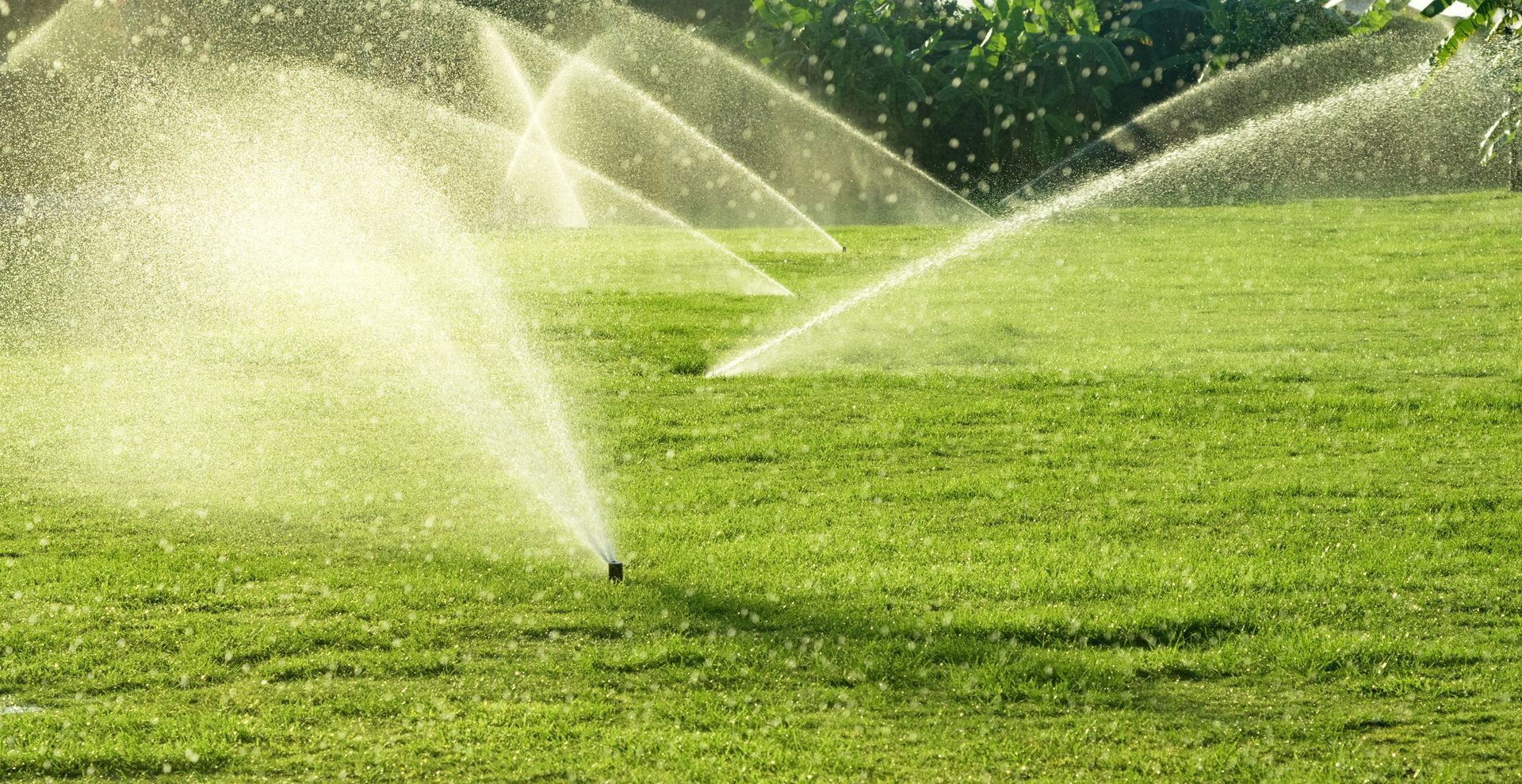
Lawn irrigation systems operate by connecting to a water source and distributing water through a network of pipes and valves. Timers and sensors regulate water flow, ensuring it reaches specific zones at optimized intervals. These systems are often equipped with features that adjust to weather conditions to prevent overwatering, which conserves water. The process mimics natural rainfall, with the added benefit of controlled water delivery to targeted areas. Homeowners can program systems to operate at times that best suit water conservation goals, such as early morning or late evening.
Common Features and Technologies
Modern irrigation systems use advanced technologies that enhance water conservation and system efficiency. Smart controllers and weather stations are commonplace, providing real-time adjustments based on weather data to optimize watering schedules. Technologies such as soil moisture sensors personalize irrigation to the specific needs of the lawn, reducing unnecessary water use. Additionally, connectivity through mobile apps enables remote management and monitoring of irrigation systems. These features integrate to create a dynamic system that adapts to environmental conditions and homeowner preferences.
Differences Between Manual and Automated Systems
Manual irrigation systems require homeowners to control and assess water distribution physically, which can lead to inefficiencies. Automated systems, however, leverage technology for precision, reducing human error in water management. Automation can ensure more consistent water distribution and timing, aligning more closely with ideal watering practices. In addition to convenience, automated systems contribute more significantly to water conservation efforts by applying water only when necessary. These advantages make automated irrigation systems a preferred choice for homeowners aiming for sustainability and efficiency.
2. Water-Saving Features of Modern Irrigation Systems
Drip Irrigation Systems
Drip irrigation systems deliver water directly to the root zones of plants, minimizing evaporative losses. This method is highly efficient in landscapes with diverse plant types, allowing tailored watering for different species. Drip systems are ideal for water-scarce regions because they require lower water volumes while ensuring healthy plant growth. These systems can be paired with timers and sensors to further optimize water use. As demand for water-conscious landscaping increases, drip irrigation's popularity continues to rise.
Rainfall Shutoff Devices
Rainfall shutoff devices, or rain sensors, detect rainfall and automatically halt scheduled irrigation cycles. By responding to natural precipitation, they ensure that water is not wasted on already soaked lawns. Homeowners benefit from these features by reducing water bills and maintaining optimal soil moisture levels. With these devices, irrigation systems contribute to both the health of the landscape and water conservation efforts. Such innovations transform traditional irrigation into a more sustainable practice.
Advanced Sprinkler Heads
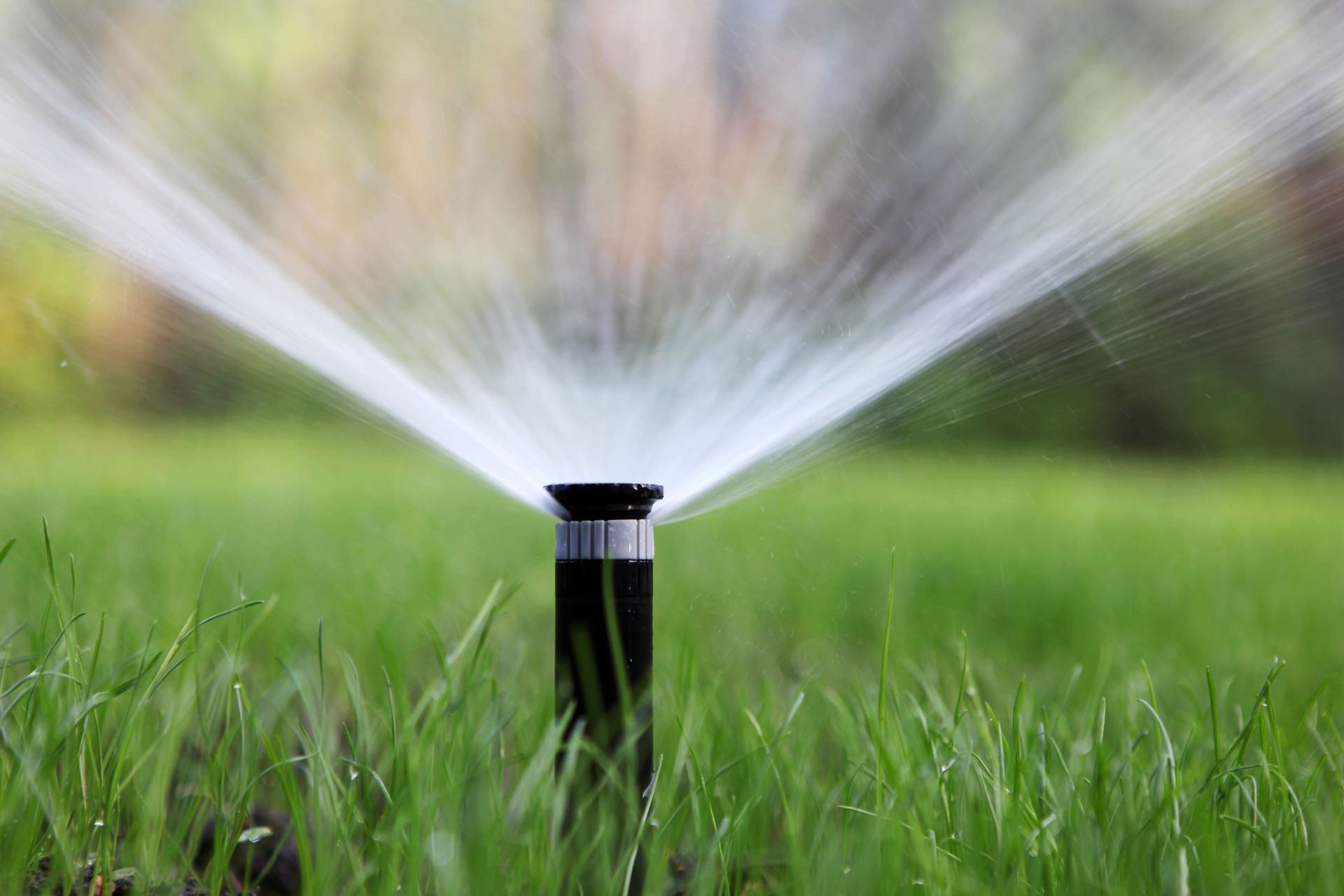
Advanced sprinkler heads are designed to distribute water evenly across lawns with minimal waste. These heads can be adjusted to target specific areas, reducing runoff and evaporation. Rotary nozzles and pressure-regulating heads are examples of advanced technologies that improve the efficiency of water delivery. By optimizing spray patterns, advanced heads ensure that water reaches intended plant zones only. This technology helps mitigate the environmental impact of landscape watering.
3. Installation and Maintenance
Assessment of Landscape Needs
Before installing an irrigation system, an assessment of landscape needs is necessary to optimize water use. This evaluation considers soil type, topography, plant varieties, and local climate. A tailored approach ensures that the system supports the specific requirements of a landscape, maximizing efficiency. An analysis also identifies the best suited irrigation system, be it drip, spray, or a hybrid model. Thoughtful assessment up front can lead to significant water and cost savings over time.
Seasonal Maintenance and Adjustments
Seasonal maintenance is essential for maintaining the efficiency and longevity of an irrigation system. Adjustments to watering schedules should reflect changes in weather patterns, such as increased rainfall or summer dryness. Regular check-ups ensure that components like nozzles and sensors function correctly and that there are no leaks. Preventive maintenance extends system life and supports sustained water conservation over time. Homeowners who regularly maintain their systems enjoy greener lawns and effective water use.
Tips for Optimizing Performance
Optimizing the performance of an irrigation system entails setting efficient schedules, regularly adjusting system components, and utilizing technology. Ensuring even water distribution through system calibration enhances the effectiveness of irrigation practices. Implementing advanced technologies, such as smart sensors and timers, automates optimizations for improved efficiency. Homeowners should also stay informed on best practices in water conservation to refine their irrigation strategies. Great performance translates to lush lawns with minimal resource consumption.
4. Cost Factors and Considerations
Initial Investment vs. Long-term Savings
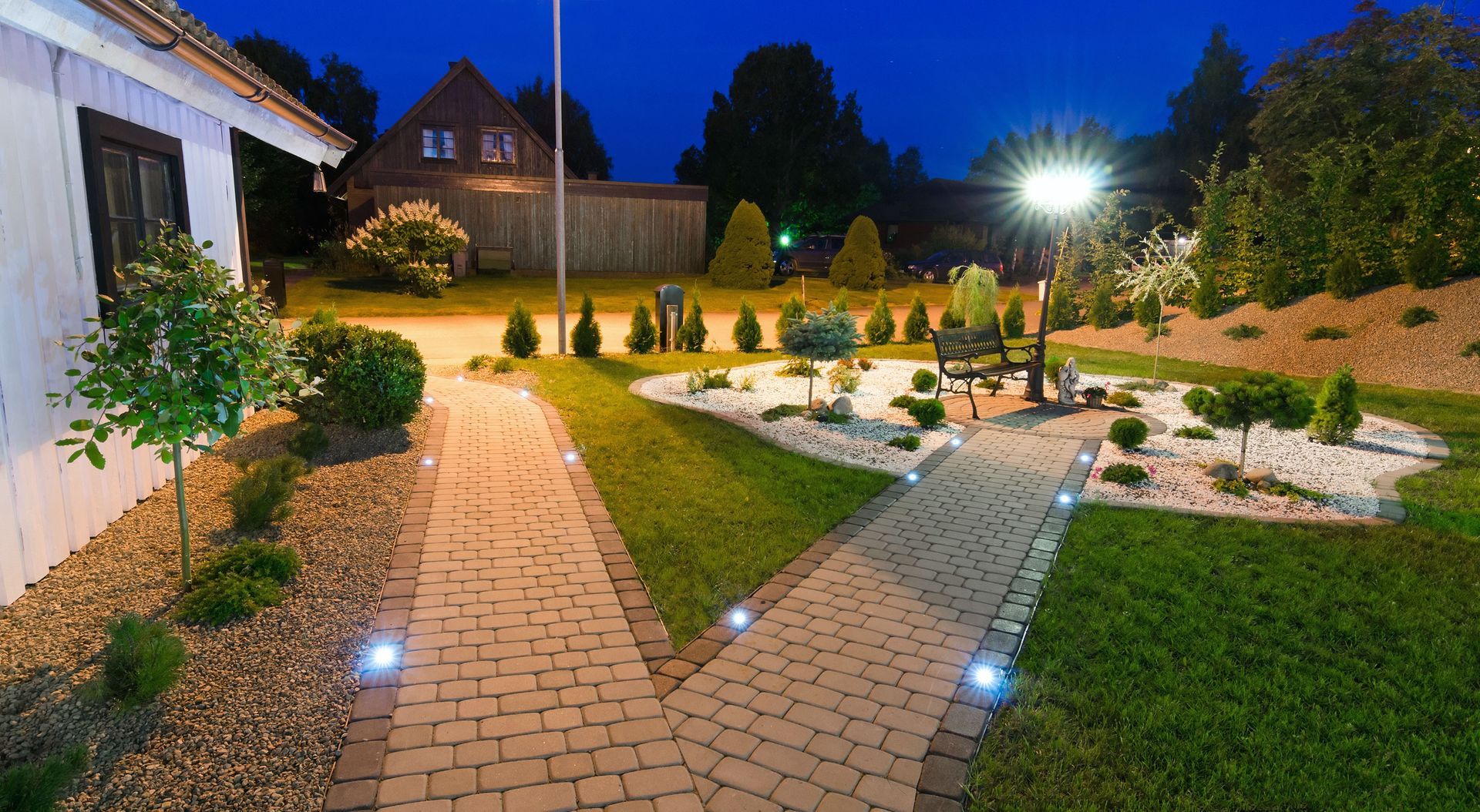
The initial cost of an irrigation system may deter some homeowners, but long-term savings often justify the expense. Efficient systems reduce water bills and decrease maintenance and replacement costs associated with traditional watering methods. Beyond immediate savings, a well-maintained system can elevate property value and curb appeal significantly. According to the National Association of Realtors, 80% of home buyers rate exterior lighting as an essential or desirable amenity, emphasizing the importance of attractive outdoor spaces. Thus, the investment in irrigation frequently yields abundant financial and aesthetic benefits.
Potential Government Rebates and Incentives
Governments often offer rebates and incentives to encourage the adoption of water-efficient irrigation systems. These programs can reduce the financial burden associated with installation and promote sustainable water use practices. Homeowners should explore available options through local government or water utility websites. Understanding eligibility requirements and application processes can lead to substantial savings. Incentives facilitate broader adoption of efficient technologies, benefiting individuals and the environment alike.
ROI on Water Savings
Calculating the return on investment (ROI) for water-saving technologies involves analyzing initial costs against long-term financial benefits. Factors to consider include reduced water bills, enhanced property value, and maintenance cost savings. Accurate estimates can be obtained using data from water utility bills, historical usage trends, and projected future rates. Understanding ROI helps justify the investment and guides decisions on system upgrades or replacements. Effective water management translates to monetary and environmental returns.
Lawn irrigation systems are pivotal to water conservation, offering benefits that extend beyond resource savings. Their role in preserving water resources, reducing environmental impacts, and supporting healthy ecosystems is undeniable. Through informed installation and maintenance, these systems offer economic advantages while aligning with sustainability goals. As the importance of efficient water use becomes increasingly evident globally, lawn irrigation systems serve as a vital tool in advancing conservation efforts. Encouraging responsible resource management presents opportunities for innovation, environmental health, and enhanced quality of life for all. If you want to learn more about the ways an irrigation system can enhance your property, reach out to Lucky Lawn today!




Share On: